Complete Guide to choosing the right air duct cleaning service
Complete Guide to choosing the right air duct cleaning service
Blog Article
Air Vent Cleaning: Breathe Easier With These Crucial Tips
Air duct cleaning serves as an important component in maintaining a clean indoor environment. It helps eliminate dust, allergens, and pollutants that can affect air quality. Recognizing when ducts require service is vital for maximum HVAC performance. Homeowners often miss the tools and techniques required for effective cleaning. Grasping these factors can greatly impact comfort and energy efficiency. What actions should one implement to ensure cleaner air and a more efficient system?
How Air Duct Cleaning Supports Your Health
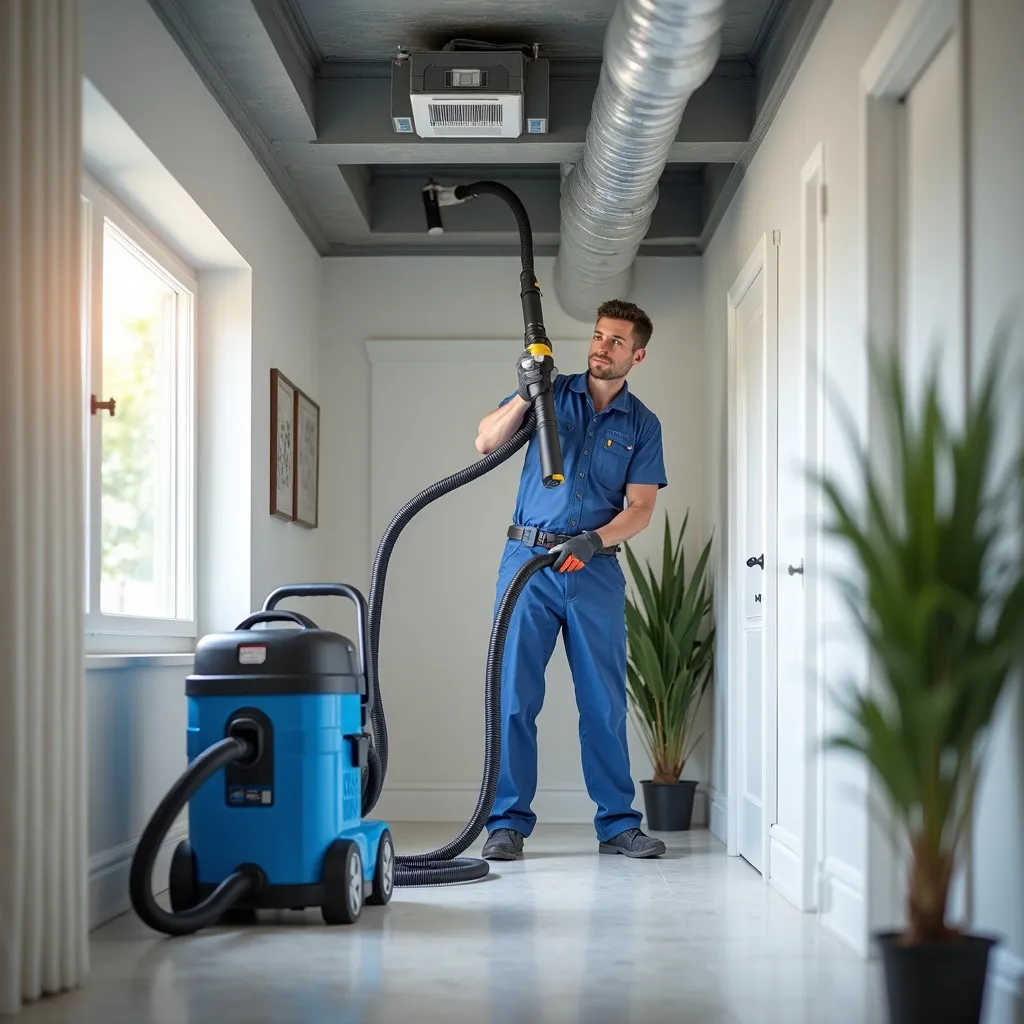
Air duct cleaning greatly enhances indoor air quality, resulting in improved health for residents. Over time, dirt, irritants, and harmful particles accumulate within the ductwork, circulating through the air. This buildup can worsen respiratory issues, allergies, and other health problems. By eliminating these impurities, air duct cleaning reduces the likelihood of airborne illnesses and promotes a more salubrious home setting.
In addition, clean air ducts can optimize the capacity of temperature control systems, yielding more consistent temperatures and minimal energy demand. This contributes not only to overall satisfaction but also restricts exposure to injurious materials that can be discharged when systems are improperly maintained.
Regular maintenance of air ducts assures that clean, fresh air moves throughout the home, enhancing better sleep, increased energy levels, and overall health. Ultimately, maintaining clean air ducts is an important step in protecting the health of all occupants.
Signals Your Ducts Need Cleaning?
Routine servicing of air ducts is important for preserving a safe living environment. Homeowners should remain watchful for several warning signs indicating that duct cleaning is required.
A notable symptom is apparent dust or debris around vents or the air filter, suggesting buildup dirt within the ducts. Additionally, if residents experience increased allergy reactions, such as sneezing or congestion, it may signal that pollutants are circulating in the air.
Unpleasant odors issuing from vents can also indicate mold expansion or stagnant debris. Furthermore, if the HVAC system is operating inefficiently, requiring frequent repairs or resulting in inconsistent temperatures, dirty ducts might be the source.
In conclusion, an uptick in energy costs could demonstrate a obstructed unit failing to move air adequately. Detecting these markers can help promise scheduled cleaning and maintain excellent interior air health.
DIY Air Duct Cleaning Equipment You Need
Keeping fresh air ducts requires the suitable tools to ensure effective DIY upkeep. Critical tools for this undertaking feature a vacuum system equipped with a HEPA filter, which collects fine particles and allergenic substances.
A assortment of brushes, specifically designed for cleaning ducts, helps remove dust and debris from the duct walls. Furthermore, a light source is essential for inspecting shadowy spaces in the ducts, guaranteeing complete cleanliness.
Safety equipment, such as hand protection and a respirator, is crucial to copyright safety while dealing with dust and potential contaminants. A set of screwdrivers is also essential for taking off vent covers and access panels.
A damp cloth can ultimately be employed to clean vent surfaces after servicing. Together, these tools constitute a extensive kit for anyone wanting to manage air duct cleaning effectively and safely.
Gather Required Tools
Assembling the correct tools is vital for an efficient air duct cleaning process. A high-quality vacuum cleaner with a HEPA filter is necessary for ridding dust and allergens.
A collection of cleaning tools, including a long-handled duct brush, assists in remove debris from the duct walls. Flexible duct cleaning rods can increase reach and enable access to hard-to-reach areas. Additionally, having a flashlight allows for thorough examination of the ducts' interiors.
Protective gear, including gloves and masks, guarantees safety during cleaning. Finally, a step ladder may be read now needed for accessing higher vents.
Get Your Space Prepared
A well-organized space is crucial for an effective air duct cleaning process. First, the area around vents should be cleared of furniture and obstructions to enable easy access. This helps avert any damage to belongings and confirms a complete cleaning.
Next, property owners should seal supply vents with plastic sheeting to trap dust and debris during the process. It is also recommended to turn off the HVAC system to avoid circulating contaminants.
Finally, positioning a vacuum equipped with a HEPA filter in close proximity can assist in capturing any particles loosened during cleaning. By implementing these measures, individuals create an ideal environment that facilitates effective air duct cleaning and enhances overall results.
Purify Ducts Thoroughly
Before beginning the air duct maintenance procedure, it's vital for residents to understand the sequential process that assures complete results and efficiency.
Initially, one must collect required items, including a vacuum, brushes, and microfiber cloths. Subsequently, turn off the HVAC system to maintain safety.
Next, take off the vent covers and wash them with warm soapy water. With a vacuum, cautiously remove dust and debris from the ducts. For deeper cleaning, use duct brushes to dislodge stubborn particles.
After cleaning, reinstall the vent covers and replace the air filter. Finally, turn the HVAC system back on and check for any unusual sounds.
Opting for a Experienced Air Duct Cleaning Firm
How can one guarantee that they pick a dependable air duct cleaning service? First, it is important to study potential providers thoroughly. Examining for accreditations, such as those from the National Air Duct Cleaners Association (NADCA), confirms clients of adherence to industry standards.
Next, procuring multiple quotes permits a evaluation of services and pricing. A trustworthy provider will conduct a meticulous inspection before providing an estimate, avoiding any deceptive low-cost deals.
Moreover, ask regarding the tools and techniques used; a well-regarded service will implement state-of-the-art tools and techniques.
Lastly, ensure the company maintains sufficient insurance and is certified, shielding clients from unforeseen damages.
Methods to ensure clean Air Ducts Every Year
Keeping air ducts immaculate year-round is vital for securing superior indoor air quality and effective system performance. Regular inspections are important; homeowners should monitor ducts for dust and debris deposits several times per year.
Employing premium air filtration systems will significantly reduce pollutants, because these filters trap fine particles that conventional filters may fail to catch. It is recommended to change these filters every three months or more frequently or according to maker guidance.
In addition, lowering air pollutants inside can facilitate maintaining duct cleanliness. This includes limiting dust-generating activities, such as smoking or using certain candles, and verifying adequate ventilation when using cleaning products.
Standard maintenance of the home, including vacuuming and wiping down, helps lower the amount of dust that could get into the ducts. Finally, booking a expert service every few years can further guarantee that air ducts remain free from harmful buildup, promoting a healthier living environment.
Air Duct Maintenance: Costs vs. Benefits
Analyzing the strengths and weaknesses of air duct cleaning shows essential knowledge for homeowners. The beginning cost ordinarily spans from $300 to $1,000, affected by factors like the size of the home and the difficulty of the duct system.
While this may seem significant, the possible advantages often outweigh the costs. Clean air ducts can improve indoor air quality, decreasing allergens and irritants. This may result in fewer respiratory issues and lower healthcare costs over time.
Moreover, a well-maintained air duct network can boost HVAC efficiency, possibly cutting energy bills by 10-30%. Homeowners should also consider the longevity of their HVAC systems.
Consistent cleaning can stretch the lifespan of the machinery, reducing the need for premature replacements. At the end of the day, weighing the starting expenses in contrast with long-term health gains and energy savings can help homeowners make well-informed choices pertaining to air duct cleaning.
Frequently Requested Questions
How Regularly Do I Need to Inspect My Air Ducts?
Industry experts propose regular air duct cleaning every three to five years. However, variables like pets, allergies, or recent renovations may necessitate more regular cleaning. Ongoing upkeep assures superior air quality and system efficiency for peak performance.
Can I Clean My Ducts Without Professional Help?
While it's possible to clean ducts without professional help, DIY methods may not deliver complete cleaning. Proper tools and techniques are crucial for effective cleaning, making expert help often a more dependable option for better indoor air quality.
What Could Be the Hazards Associated with Dirty Air Ducts?
Contaminated air ducts may result in poor indoor air quality, boosting allergens and pollutants. This can trigger respiratory issues, allergies, and overall discomfort. Additionally, accumulated debris can reduce HVAC efficiency, raising energy costs.
Do Air Duct Cleaning Services Include Guarantees?
Many air duct cleaning services do offer guarantees, ensuring customer satisfaction. These guarantees often encompass the quality of work performed, providing reassurance that the service will achieve defined benchmarks and handle any complications that occur following the cleaning service.
Is Air Duct Cleaning Worth the Cost?
Committing resources to cleaning air ducts can be beneficial, as it strengthens the quality of your indoor air, maximizes HVAC efficiency, and might extend system durability. Homeowners consistently experience meaningful benefits, making it a prudent choice for many.
Report this page